
Early Years

I was three years old when I first saw a grand piano on stage at my brother’s music school recital, and something about the instrument pulled me in completely. I went home and told my parents I wanted to learn to play “the pianos.” They assumed it was a childish whim I’d forget once I discovered the next new thing. They were wrong; having discovered stubbornness early on, I took this as a challenge to prove how serious I was.
Anastasiya Magamedova - Early Years 01
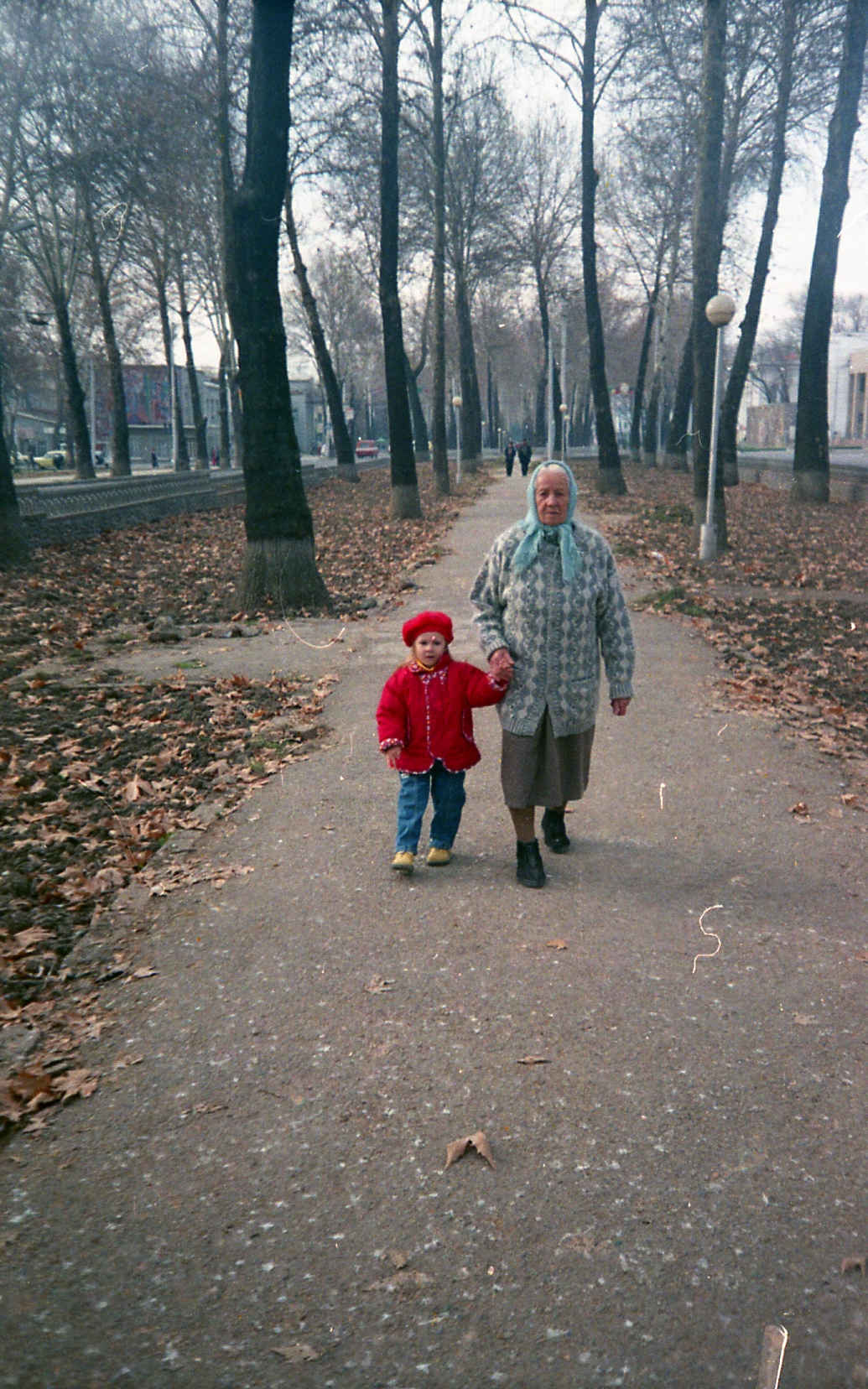
Anastasiya, age 3, with her grandmother

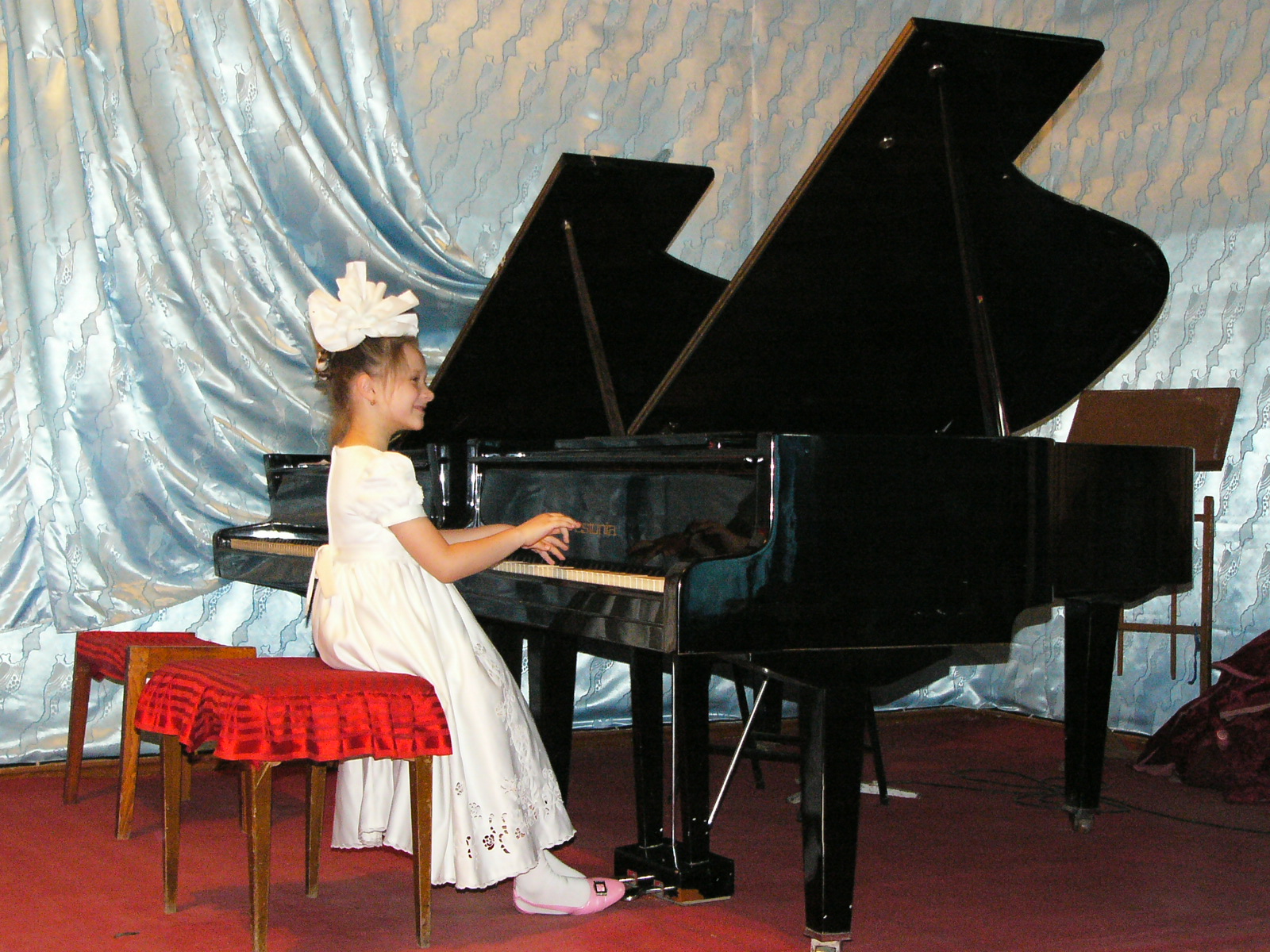
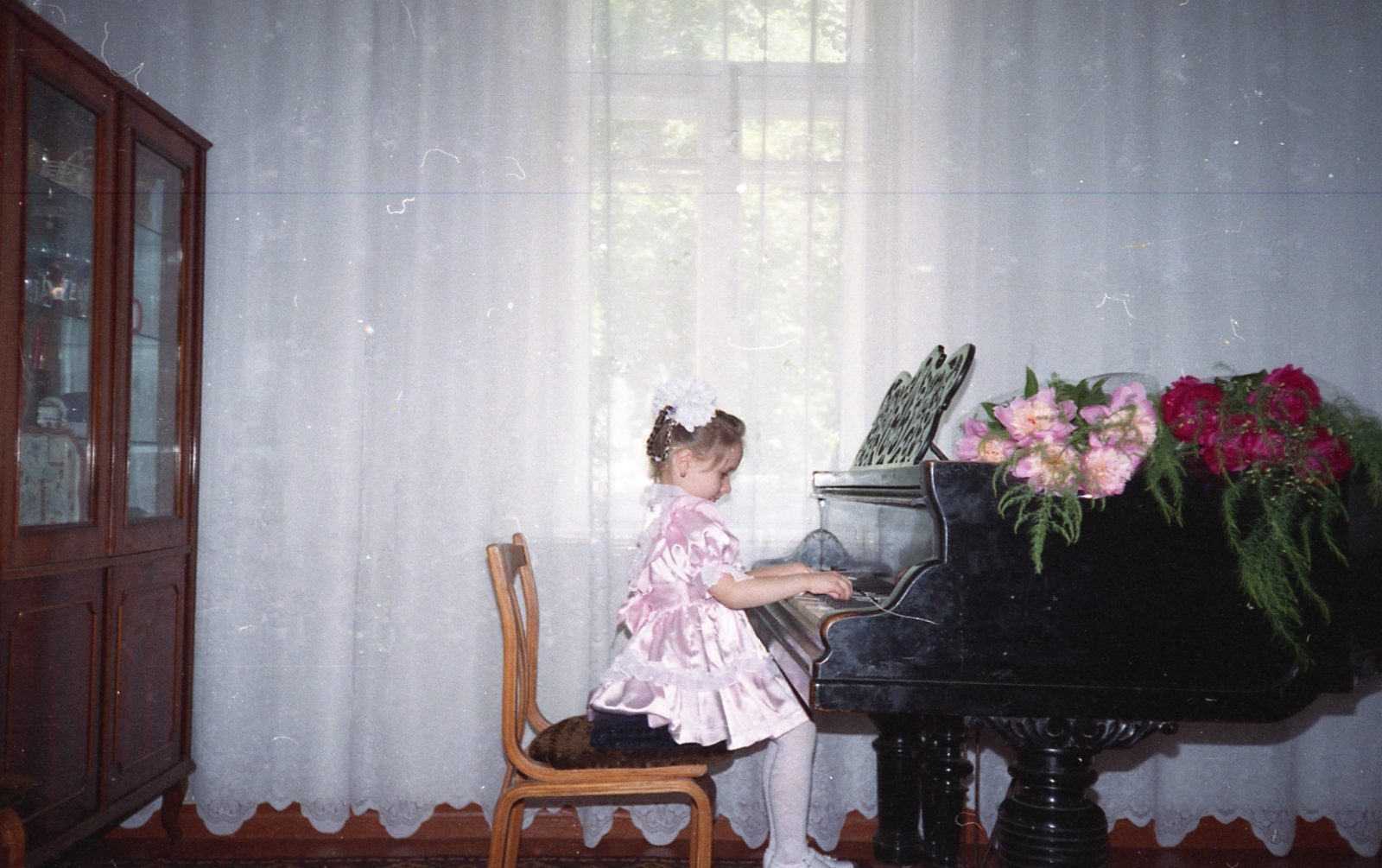
Each time my brother went to his lessons, I’d come along and sneak into empty classrooms to find a piano. Apparently I’d play for exactly 30 minutes, then happily agree to go home; though playing alone wasn’t enough, I needed a teacher. Since my parents weren’t planning to find me one, I decided to find one myself. During my morning walks with my grandmother, I’d approach each passing stranger and ask if they could teach me piano. After a while, I met Regina Petrovna Bolshakova, who told me that yes, she could, but not until I was five. Two years is a long time for a child, but my parents and I made an agreement: if I wait until I’m five, bother no more with questions about piano and still remember how much I want to learn, they will support me. On the morning I turned five, I had one pressing question: “Where is my piano?” By then, denying that I was serious was no longer an option. That’s when my musical life began.

Anastasiya Magamedova - Early Years 02
Anastasiya at age 5 playing at Regina’s house concert

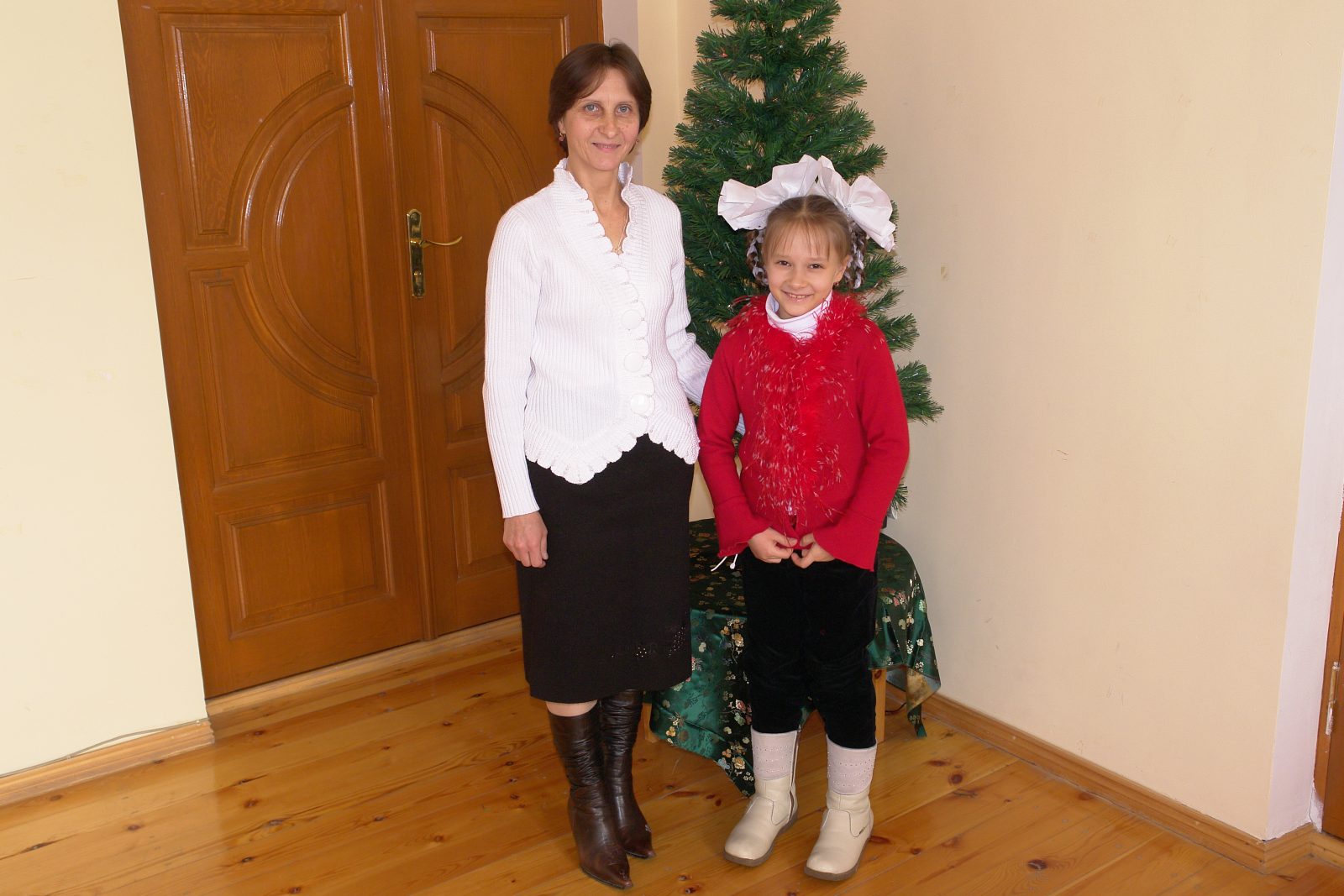
This kind of determination and stubbornness would shape the rest of my musical life. True to their word, my parents enrolled me in the Tchaikovsky Music School No. 1 in my hometown of Dushanbe, Tajikistan. A few years later, at age nine, I decided I wanted to take up the violin as well. This time, there were no skeptical glances or waiting periods; my parents supported my new interest immediately. By then, my world revolved around three exceptional women who built my musical foundation: Larisa Dmitrievna Shamilova (piano), Maria Vasilyevna Basigulina (violin), and Nina Rashidovna Bobokolonova (solfège). They gave me more than just technical skill; they instilled in me a deep respect for discipline, a spark for creativity, and an enduring love for the craft.

Anastasiya Magamedova - Early Years 03
Anastasiya with her piano teacher, Larisa Dmitrievna

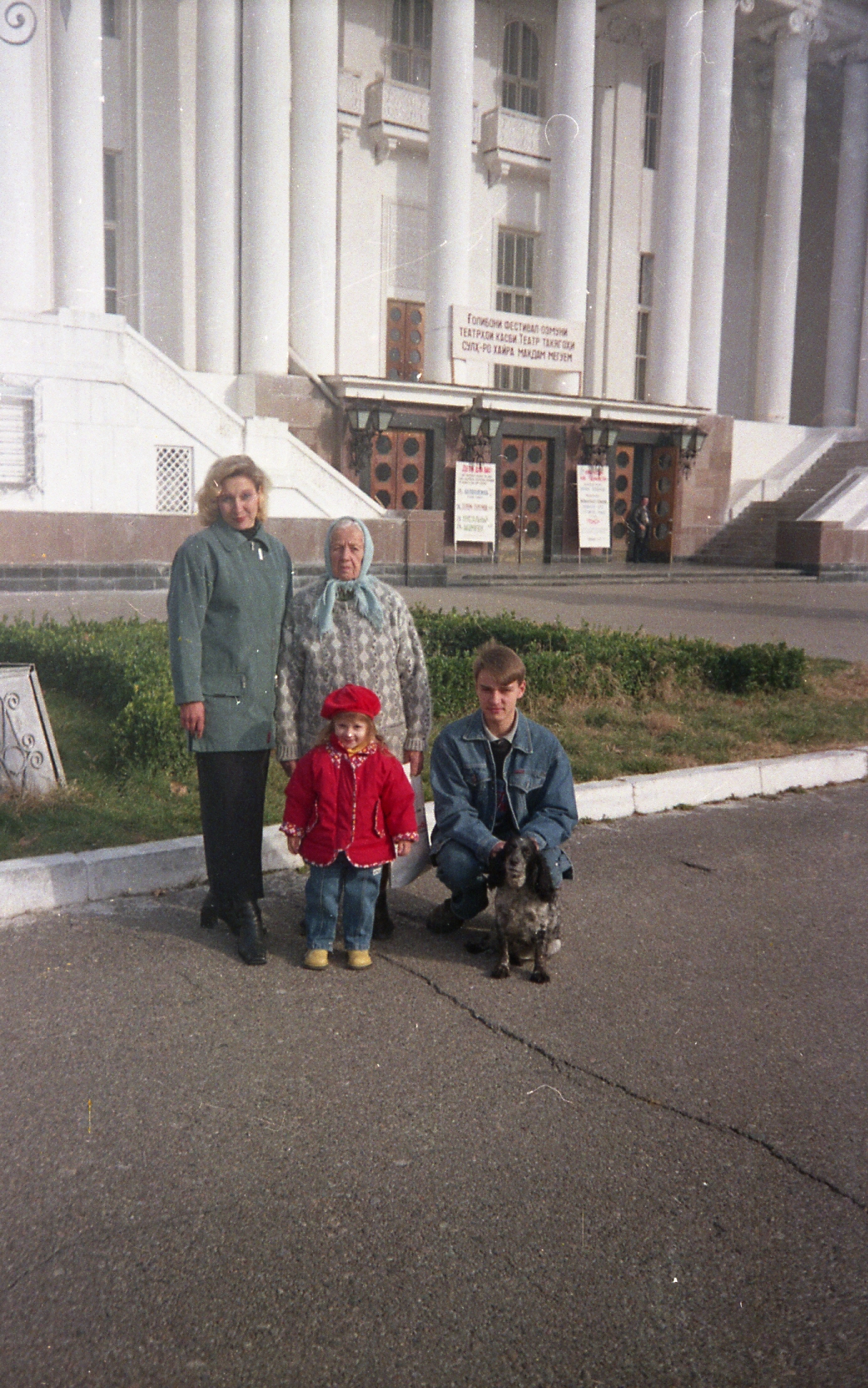
Growing up in Dushanbe meant growing up surrounded by incredible culture. Our home was directly across the street from the Ayni Opera and Ballet Theatre, where I attended every performance I could. When I was very young, the country was still recovering from a civil war. Money was scarce, and cultural institutions were often the first to suffer. The theater had no money to heat the hall, but the musicians and performers kept showing up anyway, and art kept living. Watching people live through art and create beauty in difficult circumstances, became one of my earliest and most lasting lessons. Sometimes there would be only a handful of people in the audience, but on stage, an entire world would unfold.

Anastasiya Magamedova - Early Years 04
Anastasiya with her family in front of Ayni Opera and Ballet Theater

When I was ten, my family left Tajikistan and moved to the United States. The move was disorienting and difficult. I suddenly found myself in an entirely new culture, language, and system, and there was no piano. Since I spoke English well, I spent my days helping my parents navigate their new world of translating documents, making calls, figuring out systems that felt impossibly foreign to all of us. There was no budget for lessons, on piano or violin. Occasionally a neighbor would let me play their instrument for a few minutes, but that was all I had.

Anastasiya Magamedova - Early Years 05
Anastasiya performing in her music school in Dushanbe

It wasn’t until almost two years later that I began lessons again. I also had to make a choice between piano or violin; we couldn’t afford both. My parents were already sacrificing a great deal to make even one of them possible, and they did it because they understood how much it meant to me. My new teacher’s expectations were high: she wanted her students to skyrocket to competing internationally and be capable of absorbing large amounts of repertoire quickly. It was a very different approach from the careful, nurturing guidance I’d received in Tajikistan. After two years without formal training, it felt like being thrown into open water and told to swim. I adapted because I wanted to prove myself, but the pace was punishing, and the support I needed from my teacher wasn’t there. As a result of that, I developed a hand injury from overuse that forced me to stop playing completely. Multiple doctors recommended surgery, though none could guarantee I would ever play again. One physical therapist, however, believed in a different path and we began rebuilding carefully, without surgery, through slow and structured rehabilitation.

Anastasiya Magamedova - Early Years 06
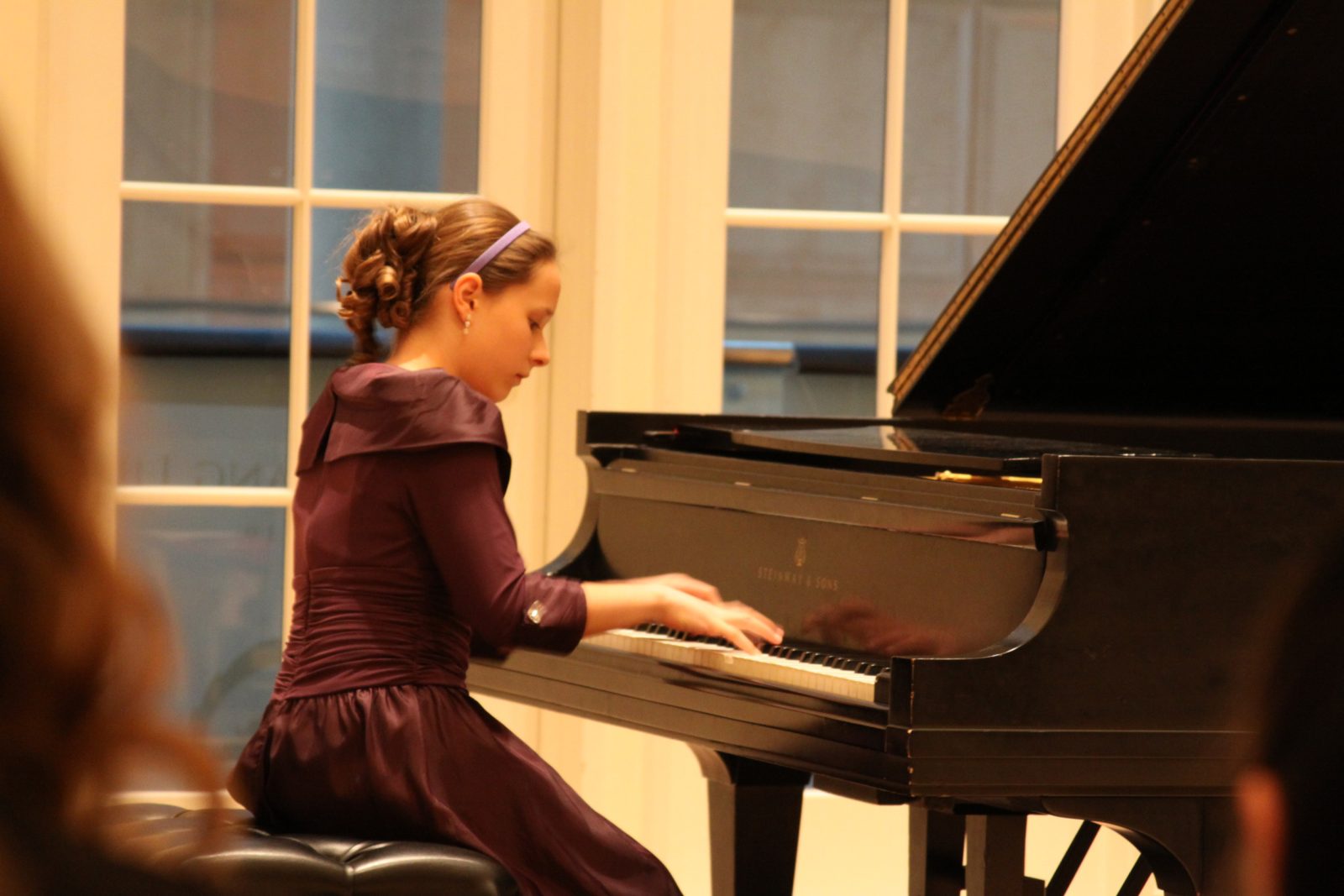
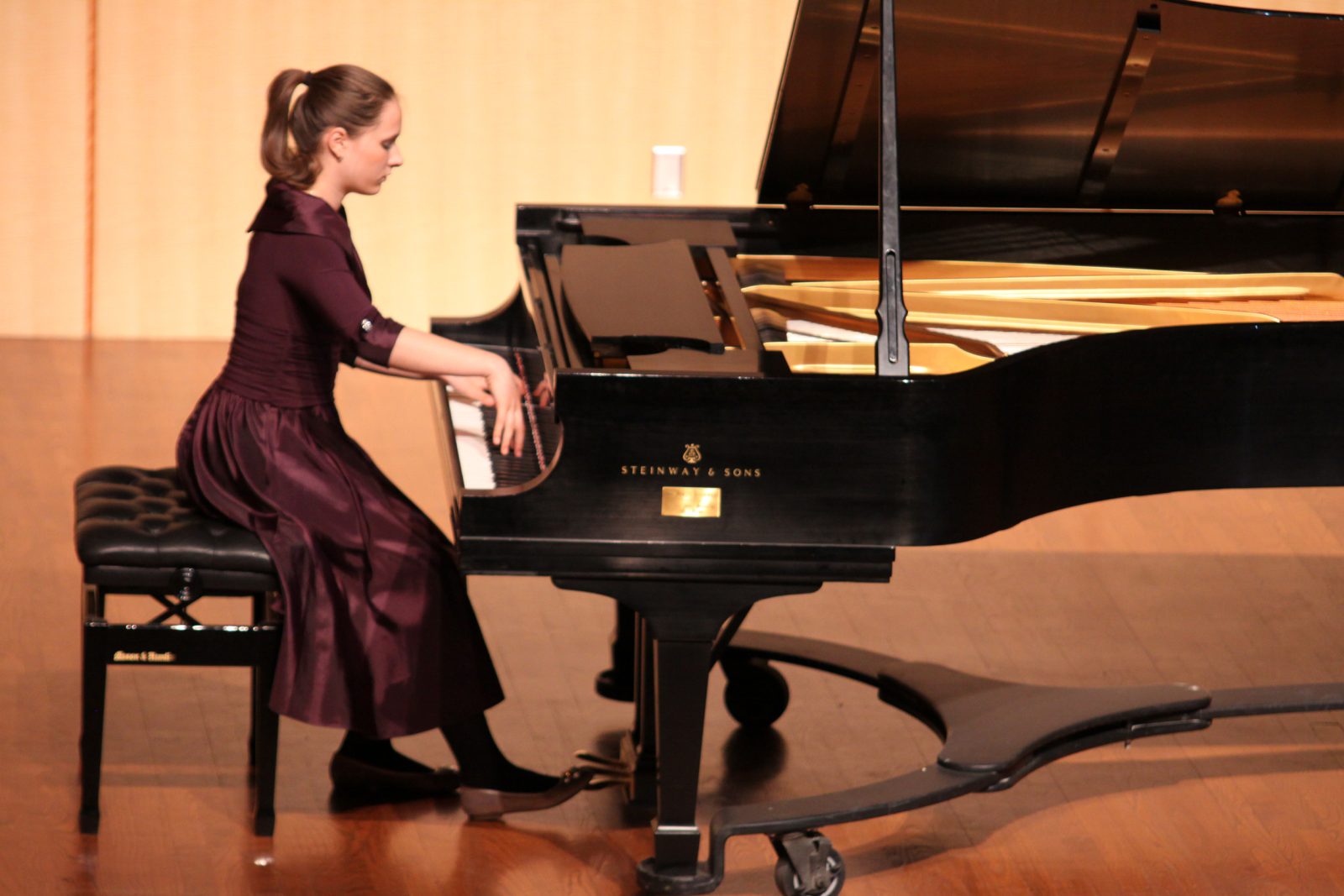
Anastasiya performing in Salt Lake City, UT

I needed to stop playing for six months. Those months of silence were some of the hardest, but also, strangely, the most clarifying. It sounds counterintuitive, but it was only because I couldn’t play that I finally understood I simply couldn’t live without it. Somewhere in that long, slow stillness, it became clear: no matter how unlikely it seemed, being a pianist was the only path I wanted, even if it felt like a distant fantasy at the time.

That realization was the beginning of a long and painful rehabilitation. I started practicing again with a timer; at first it was just 15 minutes a day allowed. A couple months later, I could already play 30 minutes. Then eventually I got to 45 minutes. Each small increment felt like a victory. Slowly, I began to feel stronger in my recovery. I returned to competitions, even though I was still performing under strict time limits. I won my first international youth competition while practicing just 45 minutes a day. When I competed in the inaugural Junior Van Cliburn International Piano Competition, my daily practice was still capped at two hours.

Anastasiya Magamedova - Early Years 07
Anastasiya playing at a competition in Utah

During this time, I began studying with Heather Conner, a teacher whose guidance changed everything. She helped me rebuild not only my hands and technique, but my trust in the instrument and in myself. A year before graduating high school, I also began lessons with Scott Holden, whose musical insights into phrasing, interpretation, and sound continue to shape the way I play and study music to this day. That same stubbornness that had me approaching strangers in a park asking for piano lessons as a three-year-old hadn’t gone anywhere; it just had a new challenge to meet. Together, these two teachers gave me something I wasn’t sure I’d ever get back, which was the ability to play fully, freely, and without hesitation.

Anastasiya Magamedova - Early Years 08
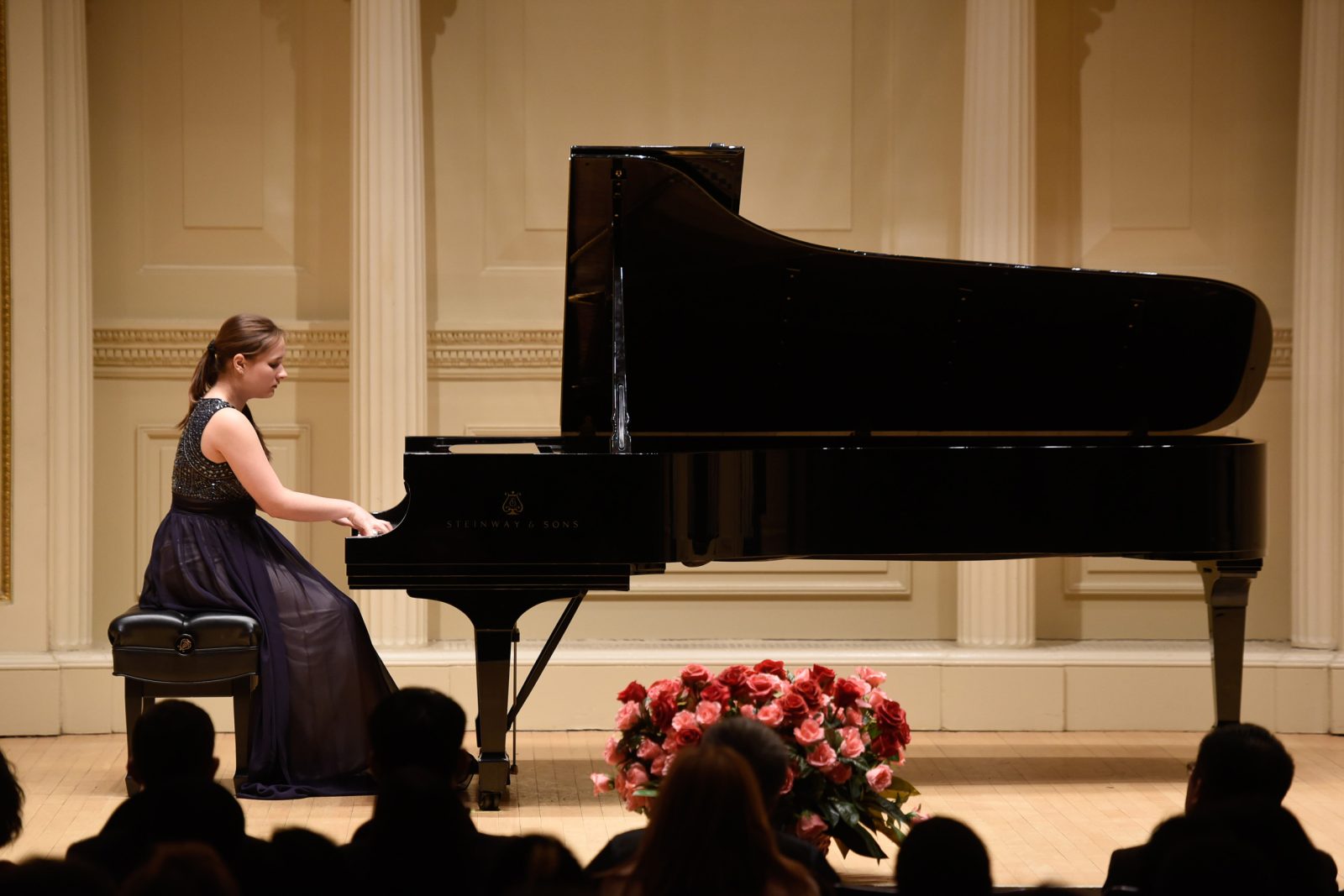
Anastasiya performing at Carnegie Hall’s Weill Recital Hall

My teenage years, despite how difficult parts of them had been, ended up being incredibly full. I performed as a soloist, competed, played with orchestras, and dove deep into chamber music with other young musicians. And at the end of it all, with Dr. Conner and Dr. Holden by my side, I auditioned and was accepted to the Juilliard School, a place that, standing at the beginning of my recovery, I couldn’t have even let myself dream of.

Anastasiya Magamedova - Early Years 09
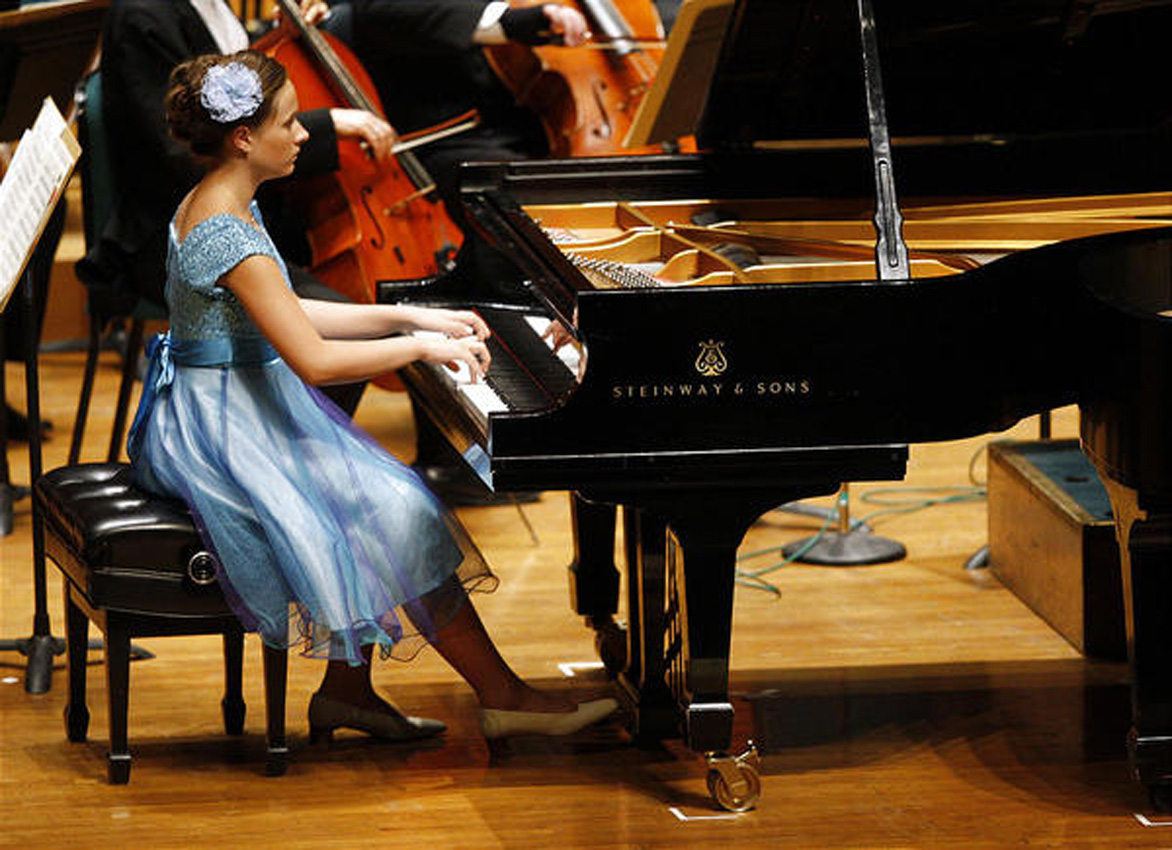
Anastasiya playing with the Utah Symphony
Anastasiya Magamedova
Privacy Overview

This website uses cookies so that we can provide you with the best user experience possible. Cookie information is stored in your browser and performs functions such as recognising you when you return to our website and helping our team to understand which sections of the website you find most interesting and useful.